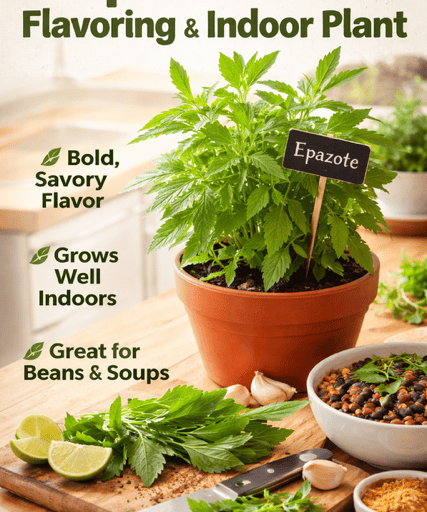
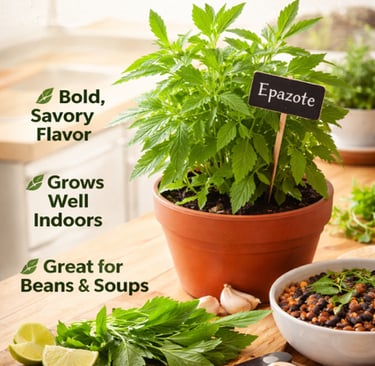
Epazote Plant
Many types of plants used for flavoring agents are essential in culinary practices, enhancing the taste and aroma of dishes. Herbs and spices bring unique flavors, while some plants offer health benefits as well.
Whether it be basil for a fresh pesto, rosemary for savory roasted dishes, or coriander for a hint of brightness, the diversity of plants available for flavoring is vast and exciting. In addition to traditional cooking, these plants can also be used in teas, essential oils, and natural remedies, showcasing their versatility beyond the kitchen.
Other flavoring plants like vanilla found in Madagascar are very popular among culinary enthusiasts and chefs alike, as they bring a unique taste and aroma to various dishes, enhancing both sweet and savory recipes considerably.